

Understanding IRAs: Terms to Know
IRAs, or Individual Retirement Arrangements, provide tax incentives for people to make investments that can provide financial security for their retirement. To help people better understand this type of retirement savings account, here’s a basic overview of terms to know:
Contribution. The money that someone puts into their IRA. There are annual limits to contributions depending on their age and the type of IRA. Generally, taxpayers or their spouses must have earned income to contribute to an IRA.
Distribution. The amount that someone withdraws from their IRA.
Withdrawals. Taxpayers may face a 10% penalty and a tax bill if they withdraw money before age 59 ½ unless they qualify for an exception.
Required distribution. There are requirements for withdrawing from an IRA:
- Someone generally must start taking withdrawals from their IRA when they reach age 70 1/2.
- Per the 2019 SECURE Act, if a person’s 70th birthday is on or after July 1, 2019, they do not have to take withdrawals until age 72.
- Special distribution rules apply for IRA beneficiaries.
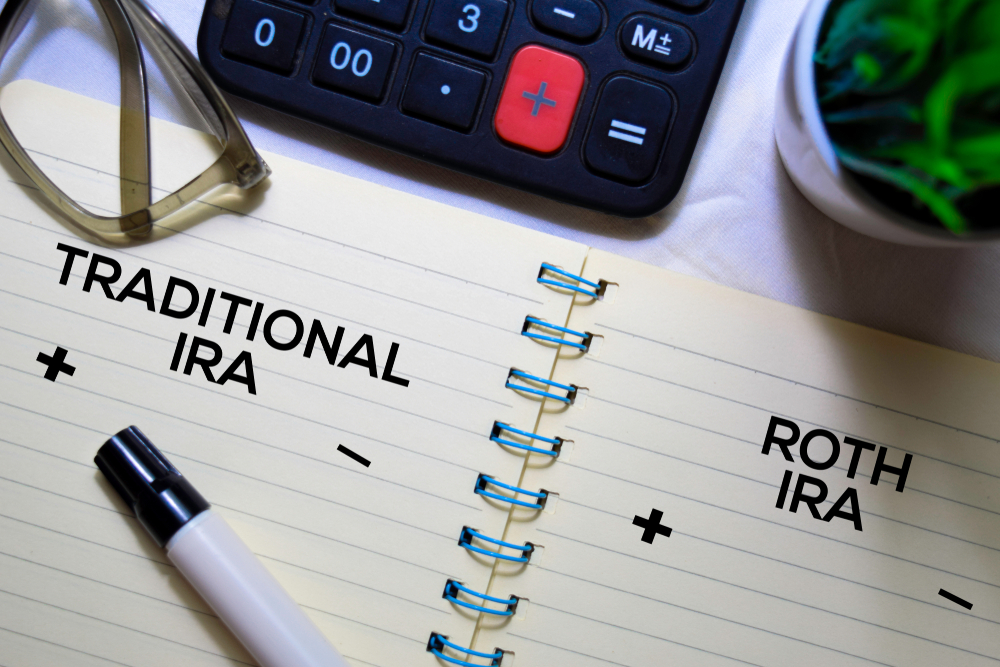
Traditional IRA. An IRA where contributions may be tax-deductible. Generally, the amounts in a traditional IRA are not taxed until they are withdrawn.
Roth IRA. This type of IRA is subject to the same rules as a traditional IRA but with certain exceptions:
- A taxpayer cannot deduct contributions to a Roth IRA.
- Qualified distributions are tax-free.
- Roth IRAs do not require withdrawals until the owner dies.
Savings Incentive Match Plan for Employees. This is commonly known as a SIMPLE IRA. Employees and employers may contribute to traditional IRAs set up for employees. It may work well as a start-up retirement savings plan for small employers.
Simplified Employee Pension. This is known as a SEP-IRA. An employer can contribute toward their own retirement and their employees’ retirement. The employee owns and controls a SEP.
Rollover IRA. This is when the IRA owner receives a payment from their retirement plan and deposits it into a different IRA within 60 days.
Understanding the tax implications of your retirement planning choices is essential. If you haven’t started saving for retirement, call the office and speak to a tax professional who will help you figure out a plan that works for you.