
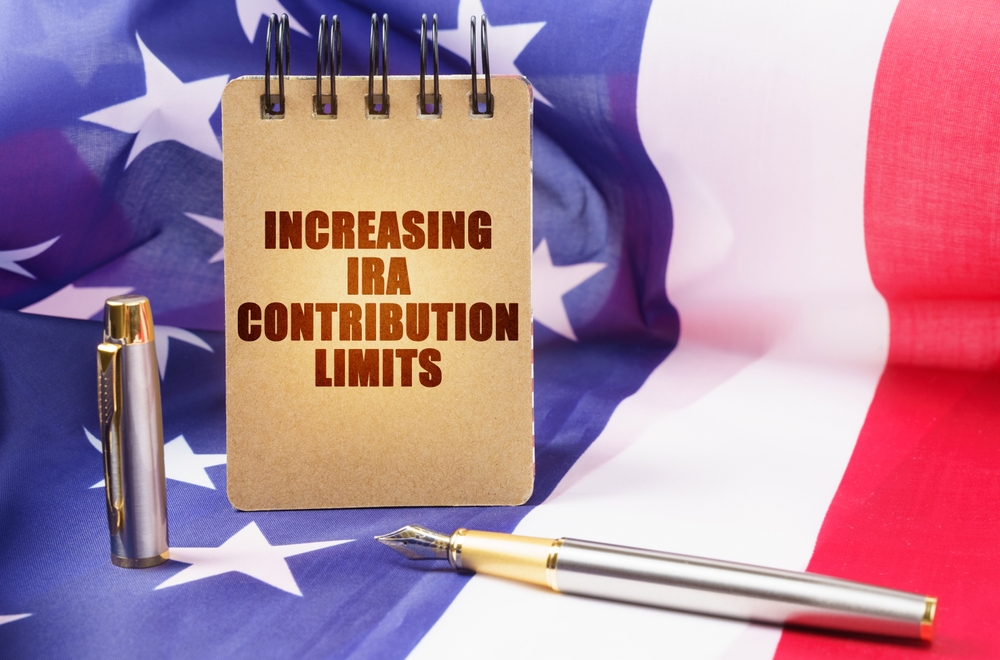
401(k), 403(b), 457 plans, and Thrift Savings Plan. Contribution limits for employees who participate in 401(k), 403(b), most 457 plans, and the federal government’s Thrift Savings Plan increases to $22,500, up from $20,500. The catch-up contribution limit for employees aged 50 and over increases to $7,500, up from $6,500 in 2022.
SIMPLE Retirement Accounts. Contribution limits for SIMPLE retirement accounts for self-employed persons increases to $15,500, up from $14,000. The catch-up contribution limit for employees aged 50 and over also increases from $3,000 to $3,500.
Traditional IRAs. The limit on annual contributions to an IRA increases to $6,500, up from $6,000. The additional catch-up contribution limit for individuals aged 50 and over is not subject to an annual cost-of-living adjustment and remains $1,000.
Taxpayers can deduct contributions to a traditional IRA if they meet certain conditions. However, suppose during the year, a retirement plan at work covered either the taxpayer or their spouse. In that case, the deduction may be reduced or phased out until it is eliminated, depending on filing status and income. If a retirement plan at work covers neither the taxpayer nor their spouse, the phase-out amounts of the deduction do not apply.
The phase-out ranges for 2023 are as follows:
- For single taxpayers covered by a workplace retirement plan, the phase-out range is $73,000 and $83,000, up from between $68,000 and $78,000.
- For married couples filing jointly, where a workplace retirement plan covers the spouse making the IRA contribution, the phase-out range is $116,000 and $136,000, up from between $109,000 and $129,000.
- For an IRA contributor who is not covered by a workplace retirement plan and is married to someone who is covered, the deduction is phased out if the couple’s income is between $218,000 and $228,000, up from between $204,000 and $214,000.
- For a married individual filing a separate return who is covered by a workplace retirement plan, the phase-out range is not subject to an annual cost-of-living adjustment and remains $0 to $10,000.
Roth IRAs. The income phase-out range for taxpayers making contributions to a Roth IRA is increased to between $138,000 and $153,000 for singles and heads of household (up from between $129,000 and $144,000). For married couples filing jointly, the income phase-out range is increased to between $218,000 and $228,000, up from between $204,000 and $214,000. The phase-out range for a married individual filing a separate return who makes contributions to a Roth IRA is not subject to an annual cost-of-living adjustment and remains between $0 and $10,000.
Saver’s Credit. The income limit for the Saver’s Credit (also known as the Retirement Savings Contributions Credit) for low- and moderate-income workers is $73,000 for married couples filing jointly, up from $68,000; $54,750 for heads of household, up from $51,000; and $36,500 for singles and married individuals filing separately, up from $34,000.
If you have any questions about retirement plan contributions, don’t hesitate to call the office for assistance.