
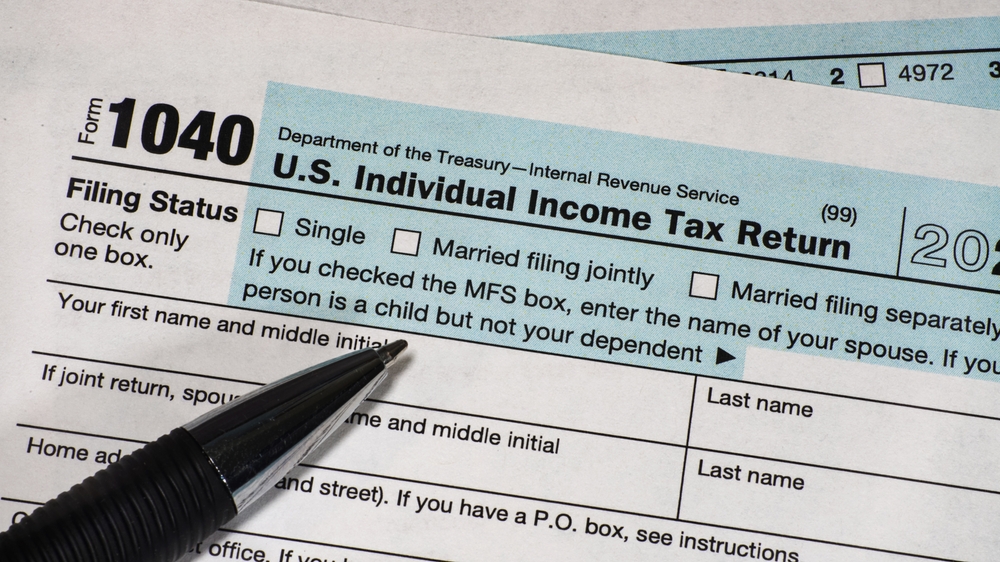
A taxpayer’s filing status defines the type of tax return form they should use when filing their taxes. Filing status can affect the amount of tax they owe, and it may even determine whether they need to file a tax return at all. As taxpayers get ready for the upcoming filing season, let’s take a closer look at how filing status affects a tax return.
Taxpayers can choose from five different filing statuses when filing their returns:
- Single. Normally, this status is for taxpayers who are unmarried, divorced, or legally separated under a divorce or separate maintenance decree governed by state law.
- Married filing jointly. A taxpayer can file a joint tax return with their spouse if a taxpayer is married. When a spouse passes away, the widowed spouse can usually file a joint return for that year.
- Married filing separately. Married couples can choose to file separate tax returns. Doing so may result in less tax owed than filing a joint tax return.
- Head of household. Unmarried taxpayers may be able to file using this status, but special rules apply. For example, the taxpayer must have paid more than half the cost of keeping up a home for themselves and a qualifying person living in the home for half the year.
- Qualifying widow(er) with dependent child. This status may apply to a taxpayer if their spouse died during one of the previous two years and they have a dependent child. Other conditions also apply.
When preparing and filing a tax return, filing status affects:
- If the taxpayer is required to file a federal tax return
- If they should file a return to receive a refund
- Their standard deduction amount
- If they can claim certain credits
- The amount of tax they should pay
Filing status generally depends on the taxpayer’s marital status as of December 31 of the filing tax year (e.g., 2022). More than one filing status may apply in certain situations. If this is the case, taxpayers can usually choose the filing status that allows them to pay the least amount of tax.
Not sure which filing status you should use this year? Help is just a phone call away.