
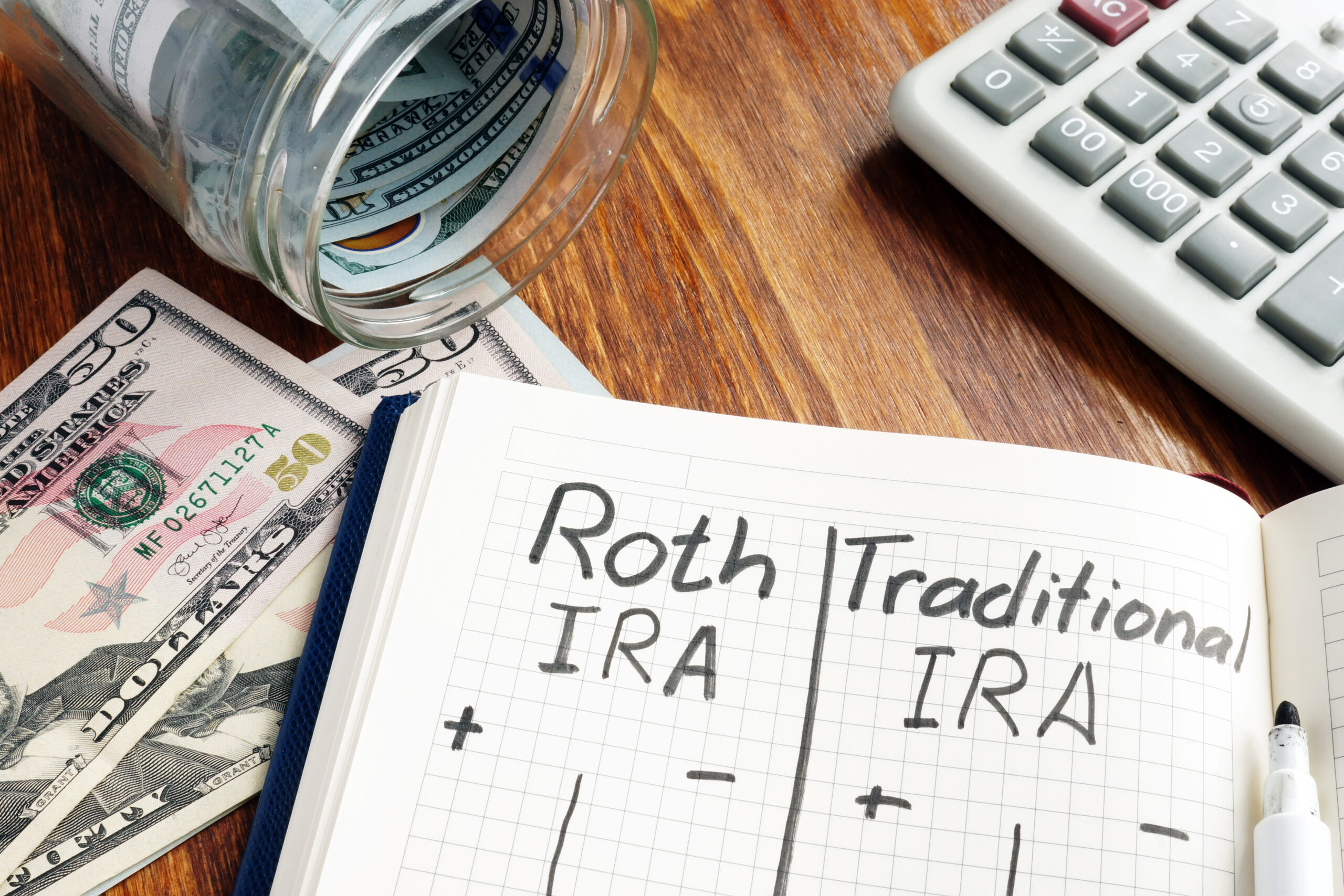
Traditional and Roth IRAs can be relatively “safe” retirement-saving vehicles, though, depending on what they’re invested in, they limit your investment choices. For more flexibility in investment choices but also more risk, another option is a self-directed IRA.
Gaining More Control
A self-directed IRA is simply an IRA that provides greater control over investment decisions. Traditional and Roth IRAs typically offer a selection of stocks, bonds and mutual funds. Self-directed IRAs (available at certain financial institutions) offer greater diversification and potentially higher returns by permitting you to select virtually any type of investment, including real estate, closely held stock, limited liability company and partnership interests, loans, precious metals, and commodities (such as lumber, oil and gas).
A self-directed IRA can be a traditional or Roth IRA. The tax-free growth Roth accounts offer makes them powerful estate planning tools.
Navigating Tax Traps
To avoid pitfalls that can lead to unwanted tax consequences, exercise caution when using self-directed IRAs. The most dangerous traps are the prohibited transaction rules. These rules are designed to limit dealings between an IRA and “disqualified persons,” including account holders, certain members of their families, businesses controlled by account holders or their families, and certain IRA advisors or service providers.
Among other things, disqualified persons can’t sell property or lend money to the IRA, buy property from the IRA, provide goods or services to the IRA, guarantee a loan to the IRA, pledge IRA assets as security for a loan, receive compensation from the IRA, or personally use IRA assets.
The penalty for engaging in a prohibited transaction is severe: The IRA is disqualified, and its assets are deemed to have been distributed on the first day of the year in which the transaction took place, subject to income taxes and, potentially, to penalties. This makes it very difficult to manage a business, real estate or other investments held in a self-directed IRA. Unless you’re prepared to accept a purely passive role with respect to the IRA’s assets, this strategy isn’t for you.
Considering the Option
If you’d like to invest in assets such as real estate, precious metals, or other alternative investments, a self-directed IRA may be worth considering. But it’s critical to understand the risks.